Berberine vs ACV Gummies: Which Fits Your Goal
Quick Answer: Berberine or ACV Gummies?
Berberine and ACV gummies are two different weight loss supports, and the better pick depends on your goal and tolerance. Berberine works through the AMPK pathway on glucose and metabolism, averaging around five pounds over months in trials. ACV gummies lean on appetite and digestion, and neither is a GLP-1 substitute.
- Berberine: metabolic and glucose route, roughly five pounds over months alongside diet.
- ACV gummies: appetite and digestion support, plus BHB salts berberine lacks.
- Both: modest, non-prescription, and not "nature's Ozempic".

Berberine for weight loss has had a remarkable run. A plant compound most people had never heard of became a social-media sensation almost overnight, crowned with the irresistible nickname "nature's Ozempic". At the same time, apple cider vinegar gummies kept their steady place on the shelf as the gentle, familiar option. If you are trying to choose between them, you are really choosing between two different bets on how a modest supplement might support your goal — and this comparison is here to make that bet an informed one rather than a hopeful one.
We will look at how each actually works, what the numbers from real trials say, whether the Ozempic comparison holds up, and how the two might even be used together. Throughout, the tone is the same one we apply to our own product: honest about the modest size of these effects, and clear that neither is a shortcut around diet.
How berberine for weight loss works, and what the trials show
Berberine is an alkaloid extracted from several plants, and its interesting property is metabolic. It appears to activate an enzyme called AMPK — sometimes described as a cellular energy sensor — which influences how the body handles glucose and, downstream, aspects of fat metabolism. This is a genuine mechanism with real laboratory support, and it is the reason berberine is studied most seriously for blood sugar regulation rather than for the scale alone.
On weight specifically, the honest number is modest. Across the trials that exist, berberine taken alongside a diet tends to produce something in the region of five pounds of additional loss over a period of months. (Complement Ther Clin Pract 2020, PMID 32379652) That is a real effect and worth acknowledging, but it needs to be held next to expectations. It is a nudge to the metabolic dial, achieved slowly, and it is nothing like the double-digit percentage of body weight seen with prescription GLP-1 medicines. Berberine can also be hard on the stomach for some people, and it interacts with a number of medications, which is why it is not the casual purchase its viral fame suggests.
How ACV gummies work, and where they differ
Apple cider vinegar comes at the same goal from a different direction. Its studied active is acetic acid, and its plausible effects sit around the meal rather than deep inside the cell. Acetic acid may slow gastric emptying, which can extend fullness (Nutrients 2025, PMID 41010525), and it may flatten the blood glucose response to a carbohydrate-containing meal, softening the spike-and-dip that so often reads as hunger. In small human studies these effects are detectable but gentle — a supportive nudge to appetite and digestion, not a metabolic overhaul.
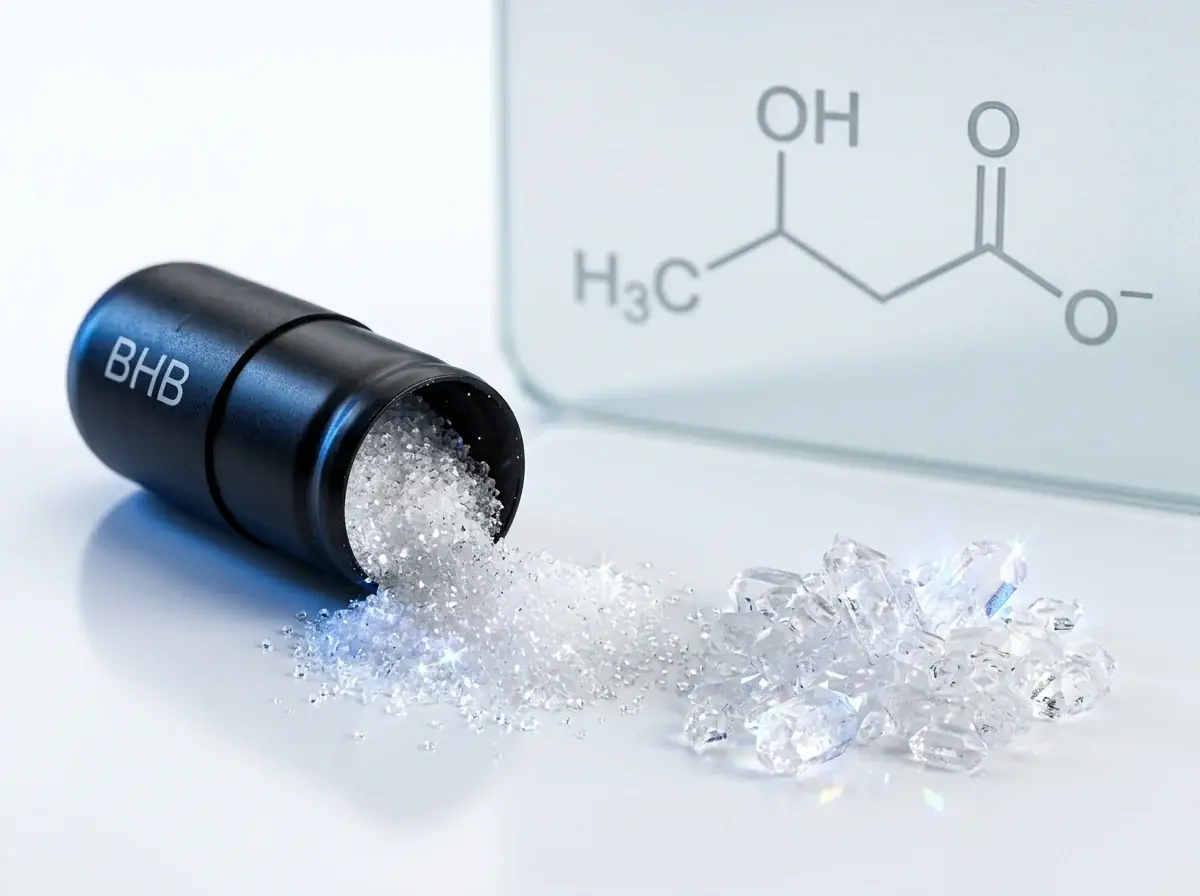
There is one more difference worth naming, because it is where a product like JellyTide is distinct. JellyTide pairs apple cider vinegar with a small amount of BHB salts — the beta-hydroxybutyrate calcium, magnesium and sodium associated with the keto approach — which standalone berberine simply does not contain. We are careful not to overstate what those trace BHB salts do at gummy amounts; our breakdown of what BHB ketone salts actually do is blunt about the arithmetic. But as a matter of formulation, the ACV gummy and the berberine capsule are built on different ideas about what to support.
The gentler, familiar option
If the appetite-and-digestion route appeals more than a metabolic capsule — stimulant-free, once daily, apple cider vinegar with a touch of BHB — JellyTide is the option to weigh. See the full Supplement Facts panel and current ordering options before you choose.
See JellyTide optionsHead to head: how they compare
Put the two side by side and the contrast is really about mechanism and evidence, not about one being a secret winner. The table below lays out the honest comparison so you can see which lever matches your goal.
| Factor | Berberine | ACV gummies |
|---|---|---|
| Main mechanism | AMPK pathway; glucose and metabolism | Acetic acid; appetite and post-meal glucose |
| Realistic weight effect | ~5 lb over months, with diet | Modest appetite and satiety support |
| Evidence focus | Blood sugar first, weight secondary | Glucose response and appetite, small trials |
| Typical format | Capsule, often multiple daily doses | Once-daily chewable gummy |
| Common downsides | GI upset; several drug interactions | Acidity; small added sugar per gummy |
| Stimulant? | No | No — JellyTide is stimulant-free |
Notice that neither column contains a knockout. Both are non-prescription, both are modest, and both work best as a support layered on top of the fundamentals rather than as a replacement for them. The choice is less "which is stronger" and more "which mechanism and which format suit you".
Objection one: "but berberine is nature's Ozempic"
This is the claim that launched a thousand purchases, and it does not survive contact with the details. Ozempic and its relatives are GLP-1 receptor agonists — medicines that act powerfully on gut-hormone signalling and produce, in trials, losses in the range of fifteen to twenty percent of body weight. Berberine works by a completely different mechanism and produces, at best, a fraction of that. Calling berberine "nature's Ozempic" is a marketing analogy, not a scientific equivalence, and it sets an expectation the compound cannot possibly meet.
The fairer way to describe berberine is as a modest metabolic support with its most interesting evidence in glucose regulation. (NIH NCCIH, Weight Loss and Complementary Health Approaches) That is a respectable thing to be. It is simply not the same thing as a GLP-1 drug, and anyone buying it expecting a medicine-grade result is buying the nickname rather than the molecule. The same discipline applies to apple cider vinegar: it is a gentle helper, not a miracle, and we would rather say so. Both sit near the modest end of the natural appetite suppressant options ranked by evidence.

Objection two: "so I should just take the stronger one"
The instinct to reach for whichever option sounds most potent is understandable, but it misreads how these supplements behave. "Stronger on paper" does not translate into results if the mechanism does not match your situation or if you cannot tolerate it. Berberine's metabolic angle is most relevant to people whose main issue is glucose handling, and its gastrointestinal side effects and drug interactions mean it is not something to start casually. Apple cider vinegar's appetite-and-digestion angle is gentler and easier to keep up, which for many people is the deciding factor because a supplement only helps if you actually take it.
There is also the adherence question that quietly decides most of these contests. A once-daily gummy that is pleasant to take tends to stay in the routine; a capsule that upsets your stomach tends to end up in a drawer. If you want the fuller version of that format argument, our comparison of weight loss gummies versus pills works through the trade-off in detail. The "stronger" option is only stronger if it survives contact with real life.
Objection three: "can I just take both?"
Because berberine and apple cider vinegar act on different levers, stacking them is something people do, and on paper the mechanisms do not obviously collide. But this is precisely the moment to involve a clinician rather than to improvise. Berberine affects blood sugar and interacts with a meaningful list of medications, so combining it with anything else — including an ACV gummy — is a decision to make with individual medical advice, especially if you are on prescriptions, pregnant or nursing. Stacking supplements multiplies the number of variables, and honesty means admitting that more inputs make it harder, not easier, to know what is doing what.
If your goal is simplicity, picking one lever and giving it an honest run is usually the wiser path than assembling a stack. Choose the mechanism that fits your situation, use it consistently for a couple of months on top of solid basics, and judge it on what you actually notice.

Which should you choose?
If your central concern is glucose handling and you are willing to manage the tolerability and interaction issues with a clinician's input, berberine is the mechanism aimed at that problem, with the caveat that its weight effect is small and slow. If you want a gentler, appetite-and-digestion approach that is easy to keep up day after day, an apple cider vinegar gummy is the friendlier tool, and JellyTide adds BHB salts to that base while staying stimulant-free and once-daily. Neither is a GLP-1 substitute, and neither will outrun the meals around it.
The most useful move, whichever way you lean, is to read the actual label rather than the viral claim. You can see exactly what JellyTide contains and in what amounts and weigh it against a berberine product's panel on the same terms. That is the difference between choosing a supplement and being chosen by an advertisement.
Medical note: this article is general wellness information, not medical advice, and it reviews published evidence rather than making a product claim. JellyTide is a dietary supplement, not a drug, and is not intended to diagnose, treat, cure or prevent any disease. Speak to a healthcare professional before starting any supplement, especially if you are pregnant, nursing or taking medication.
Frequently asked questions
Is berberine better than ACV gummies for weight loss?
Neither is clearly better; they work on different levers and both are modest. Berberine acts on glucose and metabolism through the AMPK pathway, while ACV gummies lean on appetite and digestion signals from acetic acid. Berberine has slightly more weight-specific trial data, but both produce small effects, and the right pick depends on your goal and tolerance.
How much weight can berberine realistically help you lose?
Trials generally show roughly five pounds over several months, alongside diet, not on its own. That is a real but modest effect, and it is far below the fifteen to twenty percent of body weight seen with GLP-1 medicines. Anyone expecting a dramatic drop from a berberine capsule is likely to be disappointed.
Can you take berberine and ACV gummies together?
Many people do, since they act on different pathways, but combining supplements is exactly the moment to check with a clinician. Berberine can interact with several medications and affect blood sugar, so anyone on prescriptions, pregnant or nursing should get individual advice before stacking it with an apple cider vinegar gummy.
Is berberine really nature's Ozempic?
No. The nickname is marketing, not science. Berberine and GLP-1 drugs like Ozempic work by different mechanisms and produce very different results, with the medicine far stronger. Berberine may modestly support glucose control and weight, but calling it nature's Ozempic sets an expectation it cannot meet.
How does berberine differ from apple cider vinegar?
Berberine is a plant compound that acts on glucose and metabolism through the AMPK pathway. Apple cider vinegar works mainly through acetic acid, which leans on appetite and digestion.
Sources
- PubMed — randomised trials indexed under berberine and weight loss
- NIH NCCIH — Weight Loss and Complementary Health Approaches
- NIH Office of Dietary Supplements — ingredient fact sheets
- FDA — Questions and Answers on Dietary Supplements
- Xiong P et al. The effect of berberine supplementation on obesity indices: a dose-response meta-analysis and systematic review of randomized controlled trials. Complement Ther Clin Pract 2020 (PMID 32379652)
- Castagna A et al. Effect of apple cider vinegar intake on body composition in humans with type 2 diabetes and/or overweight: a systematic review and meta-analysis. Nutrients 2025 (PMID 41010525)
Choose the lever that fits your life
Berberine and apple cider vinegar are both modest supports, not miracles. If the gentler, once-daily, stimulant-free route is yours, see the full JellyTide Supplement Facts and current ordering options and judge it on the label, not the nickname.
View JellyTide options