Weight Loss Gummies vs Pills: Which Format Fits
Quick Answer: Gummies or Pills for Weight Loss?
Weight loss gummies and pills work about the same for the same ingredient at the same dose, so the right format is the one you will keep taking. Gummies win on taste and adherence but add a little sugar and hold less active. Pills fit higher doses in less space.
- Gummies win on: taste, no water needed, a habit people actually keep.
- Pills win on: higher doses, no added sugar, smaller footprint.
- Both are supplements: not approved drugs, and no substitute for diet.
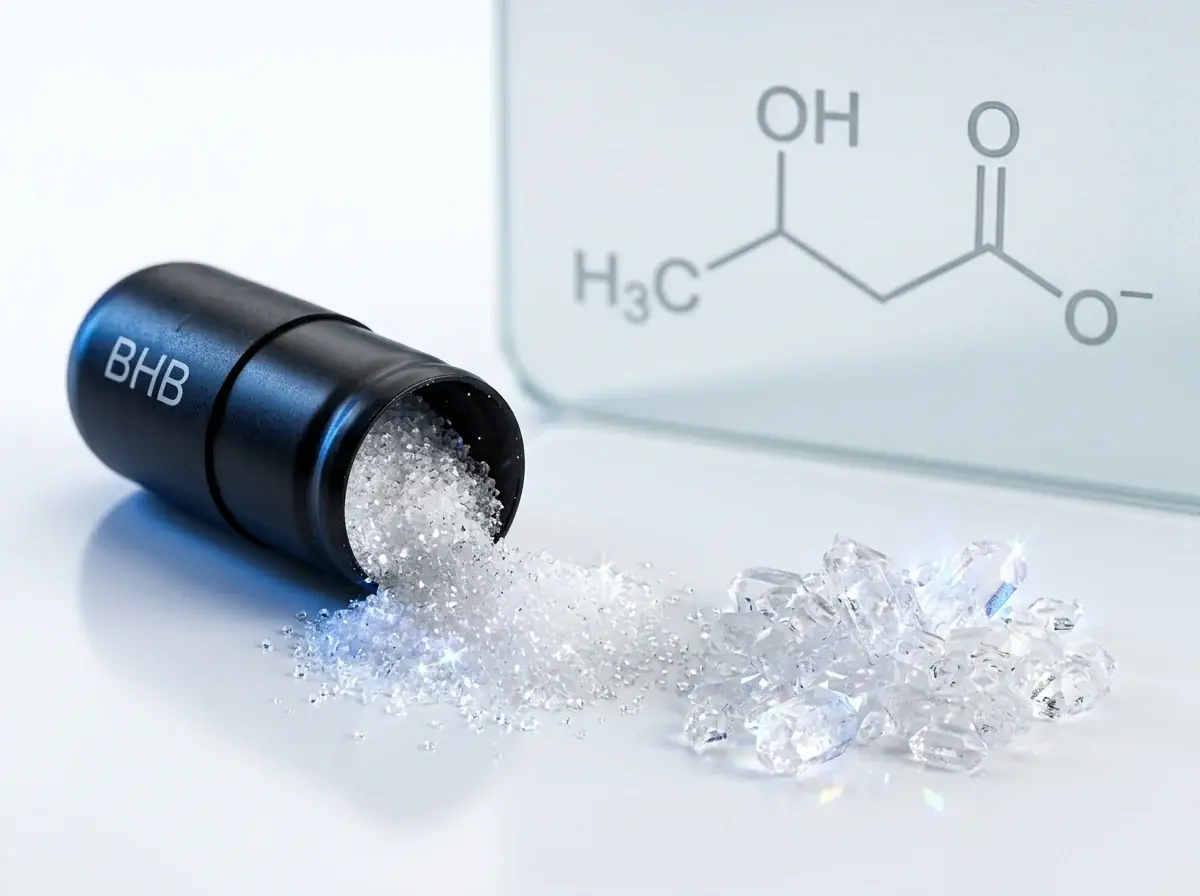
Stand in the supplement aisle and the choice looks like a personality quiz. Bright bottles of weight loss gummies on one shelf, plain white bottles of weight loss pills on the other, both promising a slimmer version of you. The honest truth is that the winner of this contest is rarely decided by the ingredient inside. It is decided by which bottle you are still opening in week nine. This is a comparison of format, not a claim that either one melts fat, and by the end you should be able to pick the one that fits your life — and see clearly where a stimulant-free option like JellyTide sits.
We will take the two head to head on the things that actually differ: how much active each can carry, how they taste and how reliably people keep taking them, the sugar question, and the regulatory reality that applies to both. No format wins on every axis, so the useful answer is "it depends", and this guide is about what it depends on.
Round one: dose and how much active fits
This is the round pills win, and it is worth understanding why. A capsule is essentially a small container you can pack with a powdered active and nothing else. That lets a pill carry a larger dose in a smaller physical footprint, which matters enormously for ingredients that only work at gram-scale amounts. (Front Physiol 2017, PMID 29163194) A gummy has a harder job. It has to hold its active inside a pectin-and-sugar matrix that also needs to taste good and hold its shape, and there is only so much room before the chew becomes unpalatable or the sugar load climbs too high.
The practical consequence is that gummies suit ingredients that are effective at modest doses and struggle with anything that needs a lot of material. Apple cider vinegar is a good match for the format precisely because its studied effects appear at amounts a gummy can plausibly carry. (Nutrients 2025, PMID 41010525) An ingredient requiring several grams per serving is a poor match, and no amount of clever manufacturing changes that. If a gummy claims a big-dose ingredient at a tiny gummy weight, the label arithmetic usually tells the real story — the same trap we walk through in our look at what BHB ketone salts actually do at gummy doses.
Round two: adherence, the round gummies win
Here the gummy takes a decisive round, and it is the round that matters most. The best supplement in the world does nothing sitting in a cupboard, and the plain reality of human behaviour is that people keep doing things that feel good. A gummy tastes like a treat, needs no glass of water and slots into the morning without friction. A capsule, for a meaningful minority of people, is a small daily chore — harder to swallow, easier to forget, quicker to abandon.
Because any supplement's modest effects only show up with consistent use over weeks and months, adherence is not a soft factor. It is arguably the deciding one. A gummy you take ninety days out of ninety will out-perform a superior capsule you take forty days out of ninety, simply because the ingredient was actually present in your routine. This is the strongest honest argument for choosing a gummy, and it is exactly the argument JellyTide is built on: a once-daily apple cider vinegar habit that is pleasant enough to keep.
The format built for sticking with it
If adherence is what decides the gummies-versus-pills contest for you, a pleasant once-daily chew is the practical winner. JellyTide is a stimulant-free apple cider vinegar and BHB gummy — see the full Supplement Facts panel and current ordering options before you choose your format.
See JellyTide optionsRound three: the sugar question
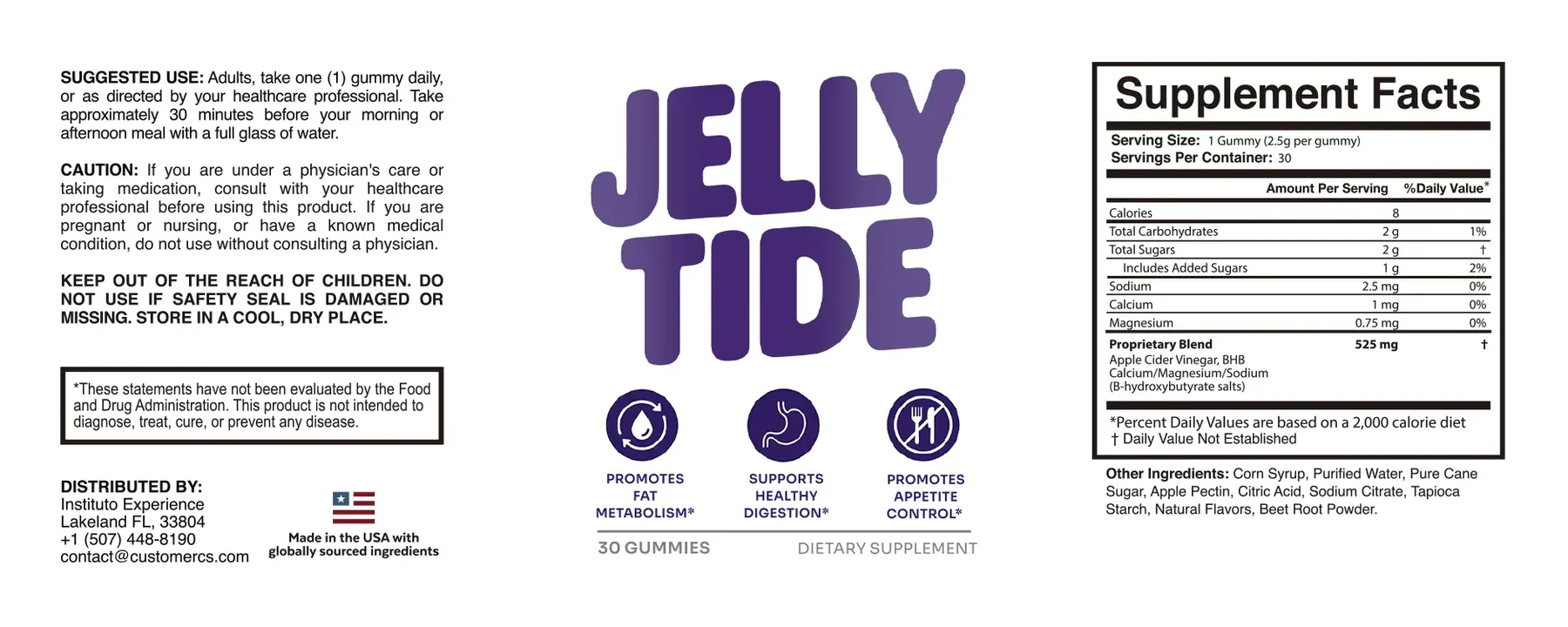
Gummies have a genuine cost that pills do not, and it would be dishonest to skip it. To taste like a gummy, a gummy needs some sugar. In JellyTide's case that is roughly one gram of added sugar per gummy — small in absolute terms, and nothing next to a soft drink, but not nothing either. A capsule carries zero. For most people one gram a day is trivial. For someone counting every gram, managing blood sugar closely, or taking several different gummies at once, it adds up and deserves a place on the ledger.
The sensible way to read this is proportion. One gram of added sugar in exchange for a habit you will actually keep is, for most people, a trade worth making. But it is a trade, and a good product tells you so rather than pretending the sugar is not there. If a zero-sugar profile is non-negotiable for you, that is a legitimate reason to prefer a capsule of the same ingredient.
Round four: side effects of weight loss pills and gummies
A lot of the discomfort people associate with weight loss pills comes not from the capsule but from what is inside it. Many traditional weight loss pills lean on stimulants — caffeine, synephrine and their relatives — to blunt appetite and nudge metabolism. Those can bring jitteriness, a raised heart rate, disrupted sleep and an unpleasant crash for sensitive people. That is a property of the ingredient, not the pill shell, but it dominates the reputation of the pill category.
A gummy is not automatically gentler; it depends entirely on what is in it. What can be said specifically about JellyTide is that it contains no stimulant, no synephrine and no caffeine, so the jitter-and-crash problem simply is not on the table. Its acid content is the thing to be modest with instead: vinegar is acidic, so keeping to the label dose and rinsing with water protects tooth enamel. Different format, different watch-outs — and knowing which applies to your choice is half the decision.

Round five: the regulation both formats share
This round is a tie, and it is the most important thing on the page. Whether you choose a gummy or a pill off the shelf, you are choosing a dietary supplement, and dietary supplements are not approved by the FDA for safety or effectiveness before they go on sale. (NIH ODS, Dietary Supplements for Weight Loss) (NIH NCCIH, Weight Loss and Complementary Health Approaches) That is true of both formats equally. A reassuring phrase like "FDA-registered facility" refers to the plant where the product is made, not to any approval of the product itself. Genuinely approved weight loss medicines exist, but they are a separate, prescription category with a very different evidence bar.
What this means in practice is that the format war is a sideshow to the ingredient question. Before you agonise over gummy versus pill, ask what the active is, how much of it there is, and whether there is real evidence behind it at that dose. A beautifully formatted product with a weak ingredient is still a weak product, and no delivery system rescues it. That is exactly the test we apply in our label-first read of whether JellyTide works.
So which format actually wins?
For most people asking the question, the honest answer is the gummy — but for one specific reason, not all of them. The gummy wins because the deciding variable in supplement outcomes is whether you keep taking it, and gummies are simply easier to keep taking. It loses the dose round and the sugar round, and it ties on regulation. If you personally have no trouble swallowing capsules, want zero added sugar, or need a high-dose ingredient, the pill is the better tool and you should pick it without guilt.
Where JellyTide lands in that framework is straightforward. It is an apple cider vinegar gummy, which means it is playing to the format's strengths: a modest-dose ingredient delivered in the shape people find easiest to keep up, once daily, without a stimulant. It is not trying to be a high-dose capsule and does not pretend to be. If you want to go deeper on the ingredient rather than the format, our guide to how appetite suppressant gummies actually work covers what the vinegar can and cannot do, and you can always read the full JellyTide panel and amounts before deciding.
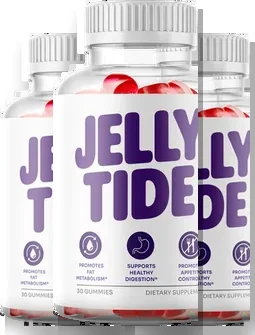
Medical note: this article is general wellness information, not medical advice, and it reviews published evidence rather than making a product claim. JellyTide is a dietary supplement, not a drug, and is not intended to diagnose, treat, cure or prevent any disease. Speak to a healthcare professional before starting any supplement, especially if you are pregnant, nursing or taking medication.
Frequently asked questions
Are weight loss gummies as effective as pills?
For the same ingredient at the same dose, effectiveness is roughly comparable, because the body does not care whether a compound arrived as a chew or a capsule. The real difference is adherence: people tend to keep taking a pleasant gummy, and consistency over months is what makes any supplement matter. Neither format overrides diet.
Do gummies contain less active ingredient than capsules?
Often, yes. A capsule can pack more active into a smaller space, while a gummy has to balance the active against taste, texture and sugar. That is why gummies suit ingredients that work at modest doses, such as apple cider vinegar, and are a poor vehicle for anything needing gram-scale dosing.
Which is easier to stick with, gummies or pills?
Most people find gummies easier. They taste good, need no water and feel like a treat rather than medicine, so the daily habit survives. That adherence edge is the strongest honest argument for a gummy like JellyTide, offset by the small amount of added sugar each one carries.
Are over-the-counter weight loss products FDA approved?
No. Over-the-counter weight loss gummies and pills are dietary supplements, not approved drugs. The FDA does not approve supplements for safety or effectiveness before sale, and a phrase like FDA-registered facility refers only to the plant, not the product. Approved weight loss medicines are a separate, prescription category.
Which is easier to swallow, a gummy or a pill?
A gummy is chewed, so it suits people who dislike swallowing capsules. A pill is smaller for the same amount of active.
Sources
- FDA — Questions and Answers on Dietary Supplements
- NIH NCCIH — Weight Loss and Complementary Health Approaches
- NIH Office of Dietary Supplements — Dietary Supplements for Weight Loss
- FDA — Information for Consumers on Using Dietary Supplements
- Castagna A et al. Effect of apple cider vinegar intake on body composition in humans with type 2 diabetes and/or overweight: a systematic review and meta-analysis. Nutrients 2025 (PMID 41010525)
- Stubbs BJ et al. On the metabolism of exogenous ketones in humans. Front Physiol 2017 (PMID 29163194)
Pick the format you will actually keep
If the winner of the weight loss gummies versus pills debate is the one you will still be taking in week nine, a pleasant, stimulant-free, once-daily chew has the edge. See the full JellyTide Supplement Facts and current ordering options before you decide.
View JellyTide options