Natural Appetite Suppressant Gummies: A Practical Guide
Quick Answer: What Is a Natural Appetite Suppressant?
A natural appetite suppressant is a food, nutrient or habit that helps you feel full sooner and longer without a stimulant. The best-evidenced options are viscous fiber, protein, water before meals and the acetic acid in apple cider vinegar. Their effects are modest and add up, so they work best combined with real meals.
- Strongest evidence: viscous fibre (glucomannan), protein and water before meals.
- Where ACV fits: acetic acid plays a smaller, supporting role, best taken just before a meal.
- The honest limit: "natural" does not mean instant — expect modest, additive help, not appetite switched off.

If you have typed "natural appetite suppressant" into a search bar at nine at night, you already know the promise the category makes: eat less without willpower, without jitters, without a prescription. It is one of the most searched health phrases on the internet, and the reason is obvious. Hunger is the single hardest part of eating less, and the idea that a plant, a nutrient or a gummy could quietly turn the volume down is genuinely appealing. This guide is an honest walk through what actually earns that description, what the human evidence says about how much each option helps, and where a stimulant-free apple cider vinegar gummy like JellyTide fits into the picture — and, just as importantly, where it does not.
The short version, before we get into the detail: real appetite control is mostly built out of fullness, not chemistry. The options with the best evidence are unglamorous, they work by physical mechanisms you can feel, and their effects stack rather than compete. Understanding that changes how you shop, because it turns "which product suppresses appetite?" into the far more useful "which habits make me full, and which product helps me keep them?"
What a natural appetite suppressant actually is
"Appetite suppressant" sounds pharmaceutical, and in the prescription world it often is — medicines that act on the brain's hunger and reward circuits. A natural appetite suppressant is a different animal. It is usually one of three things: a food or nutrient that physically fills you up, a nutrient that shifts the hormones your gut releases after eating, or a habit that slows how fast you eat so your fullness signals can catch up. None of those switch hunger off the way a drug is designed to. They nudge the balance between hunger and satiety in your favour, meal by meal.
That distinction matters because it sets honest expectations. The mechanisms behind the natural options are real and measurable, but the effect sizes are modest. A good way to think about it is that each one buys you a slightly earlier "I've had enough" signal, or a slightly slower return of hunger afterwards. One on its own is easy to miss. Three or four together, kept consistently, add up to eating meaningfully less without feeling deprived. Additive, not miraculous, is the phrase to hold on to.
The best natural appetite suppressant options, ranked by evidence
Here are the natural approaches with the most human research behind them, roughly in order of how dependable the effect is. Notice that the strongest ones are foods and habits, not supplements — that is not an accident.
1. Viscous, soluble fibre. This is the closest thing the natural world has to a genuine appetite suppressant. Fibres such as glucomannan (from konjac root), psyllium and beta-glucan absorb water in the stomach and form a thick gel. That gel physically slows stomach emptying and blunts how quickly food is digested, so fullness arrives sooner and lasts longer. (J Am Coll Nutr 2013, PMID 23885994) (Foods 2019, PMID 30621363) Human trials of viscous fibre taken with water before meals fairly consistently show reduced hunger and lower calorie intake at the next meal. The catch is dose and timing: fibre only works if you take enough of it, with plenty of water, before you eat. Take it dry, or too little, and you get nothing.
2. Protein. Gram for gram, protein is the most filling of the three macronutrients. It triggers a stronger release of the gut's satiety hormones and takes longer to leave the stomach, which is why a protein-forward breakfast reliably reduces hunger and snacking later in the day in controlled studies (MedlinePlus, Dietary Fiber). There is no supplement trick here that beats simply putting eggs, Greek yoghurt, fish, beans or lean meat at the front of your plate. Protein is the appetite tool most people already own and under-use.
3. Water and food volume. Drinking a glass or two of water before a meal is one of the most tested and least exciting interventions in the whole weight-management literature, and it works — modestly. So does building meals around high-volume, low-calorie foods: vegetables, broth-based soups, fruit. Your stomach responds partly to stretch, and filling it with water-rich, low-density food is a direct way to feel full on fewer calories. It costs nothing and has no downside.
4. Apple cider vinegar and acetic acid. This is where a product like JellyTide enters, and it is important to place it honestly. The acetic acid in vinegar has been studied mainly for slowing gastric emptying and blunting the post-meal blood sugar spike; appetite is a secondary, less consistent finding (Int J Obes 2014, PMID 23979220) in that research. It belongs on this list, but it belongs below fibre, protein and water, as a supporting habit rather than a headline act. If you want the fuller picture on the vinegar itself, we lay out the benefits and side effects of apple cider vinegar gummies in a companion article.

Where apple cider vinegar gummies fit
So if fibre, protein and water do the heavy lifting, why take an ACV gummy at all? The honest answer is convenience and consistency, not raw power. Sipping diluted vinegar before meals is a habit almost nobody keeps — it is sour, it is a faff, and it is unkind to tooth enamel. A gummy carries the same acetic-acid habit in a format you will actually reach for once a day, which matters more than it sounds, because in supplement research the single biggest predictor of any result is whether people keep taking the thing. We go further into what the format can and cannot promise in our honest buyer's guide to appetite suppressant gummies.
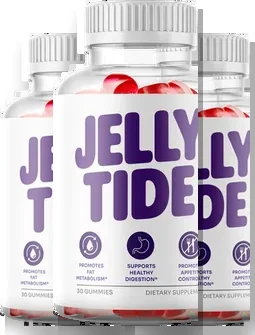
JellyTide is a once-daily, stimulant-free gummy built around a 525 mg blend of apple cider vinegar and BHB ketone salts (beta-hydroxybutyrate paired with calcium, magnesium and sodium). It contains no caffeine and no other stimulant, which is deliberate: it is designed to sit quietly alongside a meal-based routine rather than jolt your nervous system into ignoring hunger. If you are curious about the ketone half of that formula, we go through what the BHB ketone salts in each gummy actually do and what the evidence does and does not support. And if you would rather just see the numbers, you can see exactly what goes into each JellyTide gummy on the home page.
The realistic role of a gummy like this is a small, repeatable input at the front of a meal, taken with water, as one layer on top of the fibre and protein doing the real work. Sold as that, it is a reasonable habit. Sold as a standalone appetite eraser, it would be overselling, and we would rather keep your trust than your click.
See the once-daily, stimulant-free option
If a simple pre-meal ACV habit is the layer you have been missing, JellyTide's full Supplement Facts panel, its 525 mg blend and current ordering options are all on one page. No caffeine, no auto-magic — just the habit made easy to keep.
View JellyTide optionsMyth 1: "natural" means instant and powerful
This is the objection worth confronting head-on, because it is the belief that leads to the most disappointment. A lot of marketing borrows the authority of the word "natural" and quietly attaches a pharmaceutical promise to it: melt fat, crush cravings, kill hunger. But natural appetite tools work through gentle, physical mechanisms — a fuller stomach, a slower digestion, a steadier blood sugar curve. Gentle and physical means gradual and modest, by definition.
If you go in expecting hunger to vanish on day one, you will conclude that nothing works and quit before the additive effect has a chance to show up. The people who get results from natural appetite support are the ones who reframe it: not "this made me not hungry," but "over a few weeks of doing several small things consistently, I ate less without a fight." That is a real and useful outcome. It just does not photograph well.
Myth 2: a gummy is just sugar with a health label
A fair objection, and one you should apply to every gummy on the shelf, including this one. Some appetite and weight gummies do carry enough added sugar to undercut the very point of buying them, and the only way to know is to read the Supplement Facts panel rather than the front of the jar. Check the sugar per serving, check whether the active ingredient is actually named with a number attached, and check that the "blend" is not mostly filler. If a product hides its active inside a proprietary blend with no amounts, that is your answer.
The broader principle: a gummy earns its place only if the active dose is real and the sugar is low enough to be trivial next to what you eat in a day. A gummy is a delivery format, not a magic one; judge it by the same panel-first standard you would use for a capsule. We are an affiliate publisher, not the manufacturer, and that is exactly why we push you toward the label instead of a testimonial.

How to suppress appetite without stimulants
Plenty of appetite products lean on caffeine or other stimulants, which do blunt hunger — at a cost. Stimulants can bring jitters, a raised heart rate, disrupted sleep and an afternoon crash that, ironically, drives its own cravings. Sleep loss alone pushes hunger hormones the wrong way, so a stimulant that wrecks your sleep can leave you hungrier overall. The stimulant-free route avoids all of that by targeting fullness instead of overriding it. Here is what that looks like in practice:
- Front-load protein at the first meal of the day so the hunger curve stays lower for hours afterwards.
- Add viscous fibre before your largest meals, taken with a full glass of water so the gel actually forms.
- Drink water before eating, not just during, and let a couple of minutes pass before you start.
- Slow down. Fullness signals take fifteen to twenty minutes to register, so eating fast means eating past "enough" before your body can tell you.
- Protect your sleep, because steady sleep keeps the hunger and fullness hormones in a saner balance than any supplement can.
- Layer in a stimulant-free habit such as a pre-meal ACV gummy if it helps you stay consistent — the point is adherence, not stimulation.
None of these are exciting, and that is the point. Stimulant-free appetite control is a set of quiet defaults you can keep for years, rather than a jolt you tolerate for a few weeks and then abandon.
Berberine, fibre supplements and ACV: how the popular options compare
Three ingredients dominate the "natural appetite" conversation right now, and they are not interchangeable. A dedicated viscous-fibre supplement is the most direct appetite tool of the three, because it works by physical bulk and is the best-studied for reducing next-meal intake. Berberine is a plant compound studied mostly for blood sugar and metabolic markers, with appetite as an indirect, downstream effect rather than a primary one; it is a more assertive ingredient with more to consider on tolerability. Apple cider vinegar sits between them as a gentle, food-based habit whose main documented action is on the post-meal glucose response.
If you are trying to choose between the more metabolic options, we put them side by side in a dedicated breakdown of how berberine compares with ACV gummies for weight loss, including who each one suits and what the trade-offs are. The headline, though, is that these are supporting players. A fibre supplement, berberine or an ACV gummy layered on top of a meal-based plan can each add a little. None of them substitutes for the plate.
How to actually use a natural appetite aid
Whatever you choose, the way you use it determines whether it does anything. A few rules cover most of it. Take fibre and ACV before a meal, not after, because their whole job is to change how that meal is digested. Take them with water — fibre in particular is inert or even uncomfortable without enough liquid to gel. Keep meals real: a suppressant is meant to help you eat a sensible meal more comfortably, not to let you skip the meal and crash into a binge later. And give it weeks, not days, because the additive effect only shows up once the habits are automatic.
The single most under-rated factor is consistency. A product you take religiously for a month will out-perform a "stronger" product you abandon in nine days, every time. This is the entire practical case for the gummy format, and it is a real one: people keep gummy habits that they drop in liquid or capsule form. Choose the option you can see yourself still doing at the end of the month, and you have already made the most important decision.
Medical note: this article is general wellness information, not medical advice, and it summarises published evidence rather than making a product claim. JellyTide is a dietary supplement, not a drug, and is not intended to diagnose, treat, cure or prevent any disease. Appetite that changes suddenly, unexplained weight loss, or eating difficulties are reasons to see a clinician. Speak to a healthcare professional before starting any supplement, especially if you are pregnant, nursing or taking medication.
Frequently asked questions
What is the best natural appetite suppressant?
There is no single winner. The natural options with the strongest human evidence are viscous fibre such as glucomannan, dietary protein, and simply drinking water before meals. Each produces a modest, additive effect on fullness, and apple cider vinegar's acetic acid plays a smaller supporting role. The best one is the habit you will actually keep every day.
Do natural appetite suppressant gummies really work?
They can help at the margins, not work miracles. A gummy that carries acetic acid or fibre may nudge fullness and make a daily routine easier to keep, but the effect is modest and depends heavily on what you eat around it. Treat a gummy as one small, consistent input to a meal-based plan, not a replacement for the meal.
Is apple cider vinegar a good natural appetite control?
Modestly. The acetic acid in vinegar has been studied mostly for its effect on the post-meal blood sugar response, with appetite as a secondary and less consistent finding. It is a reasonable supporting habit taken before a meal, and a gummy is easier to keep than sipping vinegar, but it is not a powerful standalone suppressant.
How can you suppress appetite without stimulants?
Lean on fullness rather than a nervous-system jolt. Front-load protein and viscous fibre, drink water before you eat, slow your eating pace, and sleep enough that your hunger hormones stay steady. A stimulant-free ACV gummy such as JellyTide can sit alongside those habits without the jitters or afternoon crash that caffeine-based products cause.
Do natural appetite suppressant gummies contain stimulants?
A stimulant-free gummy such as Jelly Tide relies on apple cider vinegar rather than stimulants. It is meant to sit alongside regular meals.
Sources
- Harvard T.H. Chan School of Public Health — The Nutrition Source: Fiber
- Harvard T.H. Chan School of Public Health — The Nutrition Source: Protein
- Mayo Clinic — Water: How much should you drink every day?
- MedlinePlus (NIH) — Dietary Fiber
- NIH NCCIH — Weight Control and Dietary Supplements
- Clark MJ, Slavin JL. The effect of fiber on satiety and food intake: a systematic review. J Am Coll Nutr 2013 (PMID 23885994)
- Salleh SN et al. Unravelling the effects of soluble dietary fibre supplementation on energy intake and perceived satiety in healthy adults. Foods 2019 (PMID 30621363)
- Darzi J et al. Influence of the tolerability of vinegar as an oral source of short-chain fatty acids on appetite control and food intake. Int J Obes (Lond) 2014 (PMID 23979220)
Make the pre-meal habit easy to keep
A natural appetite suppressant works best as a habit you keep, not a promise you chase. If a once-daily, stimulant-free ACV gummy is the layer that makes your routine stick, JellyTide's full panel and current options are one click away.
See the label and options